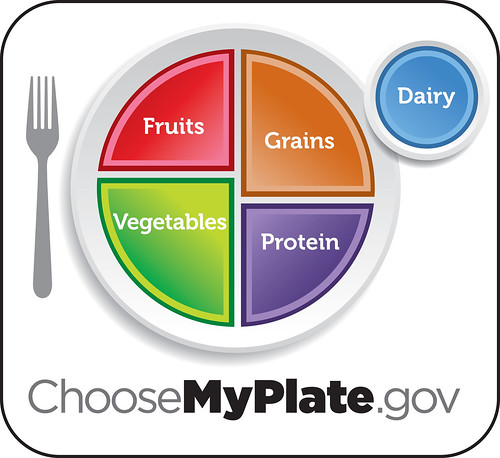
What used to be the "food pyramid" is now "choose my plate -- a visual measure as a guide to meals. Brought to you by the US Department of Agriculture.
The Cleveland-Cuyahoga County Food Policy Coalition was formed in 2007 to help bring about public and private policy-based changes that foster an all-around healthier food system. The Coalition has based its work on assessments of how food can impact the health of: individuals, communities, the economy, and the environment.
These Web sites help consumers and professionals with dietary assessment and planning, checking personal health risks, testing knowledge, and evaluating needs.
The Food and Nutrition Information Center - a leader in food and human nutrition information dissemination since 1971 - provides credible, accurate, and practical resources for nutrition and health professionals, educators, government personnel and consumers.
Granny’s Garden School was launched in April, 2002 when third and fourth grade students at Loveland Elementary School spent their gym classes digging the first garden bed. Today, we are the largest and most comprehensive school garden program in the Midwest. 45 classrooms of students are served with plant-based lessons and school districts all over Ohio and the nation.
Find nutrient information on nearly 8,000 foods using this new and improved search feature. You can now search by food item, group, or list to find the nutrient information for your food items.
The National School Lunch Program (NSLP) is a federally assisted meal program operating in public and nonprofit private schools and residential child care institutions. It provides nutritionally balanced, low-cost or free lunches to children each school day. The program was established under the National School Lunch Act, signed by President Harry Truman in 1946.
The publication “Healthier Schools: A Brighter Tomorrow,” compiled by the School Physical Fitness and Wellness Advisory Council, is a resource of evidence-based practices to jump start Ohio school wellness plans. Each chapter of the publication presents one of the 11 guidelines and includes best practice examples of implementation.
The National Farm to School Network envisions a nation in which Farm to School programs are an essential component of strong and just local and regional food systems, ensuring the health of all school children, farms, the environment, economy and communities.
The Issue: In Philadelphia and the surrounding area, 30 percent of school age children struggle with being overweight or obese. Rising obesity threatens the next generation leading to a lifetime of diet-related diseases like diabetes. Through nutrition education, youth leadership development and healthy food environments, schools can impart life-long skills for healthy eating and give our children a healthy start in life.